
Transform How Your Grantees Navigate Leadership Transitions
Most nonprofits face leadership transitions in isolation. And most funders—often unintentionally—reinforce
the silence around succession planning.
So when transitions happen, they look like crises
instead of strategic opportunities.
But your grantees deserve better,
and so does your investment.
What If Transitions Strengthened Organizations Instead of Destabilizing Them?
The Plan Well Cohort is a peer learning model that normalizes workplace transitions while building lasting organizational capacity across your entire grantee portfolio.
This isn't another one-day workshop that sparks inspiration but produces no implementation.
This is sustained change through community, accountability, and real-time learning…
How It Works
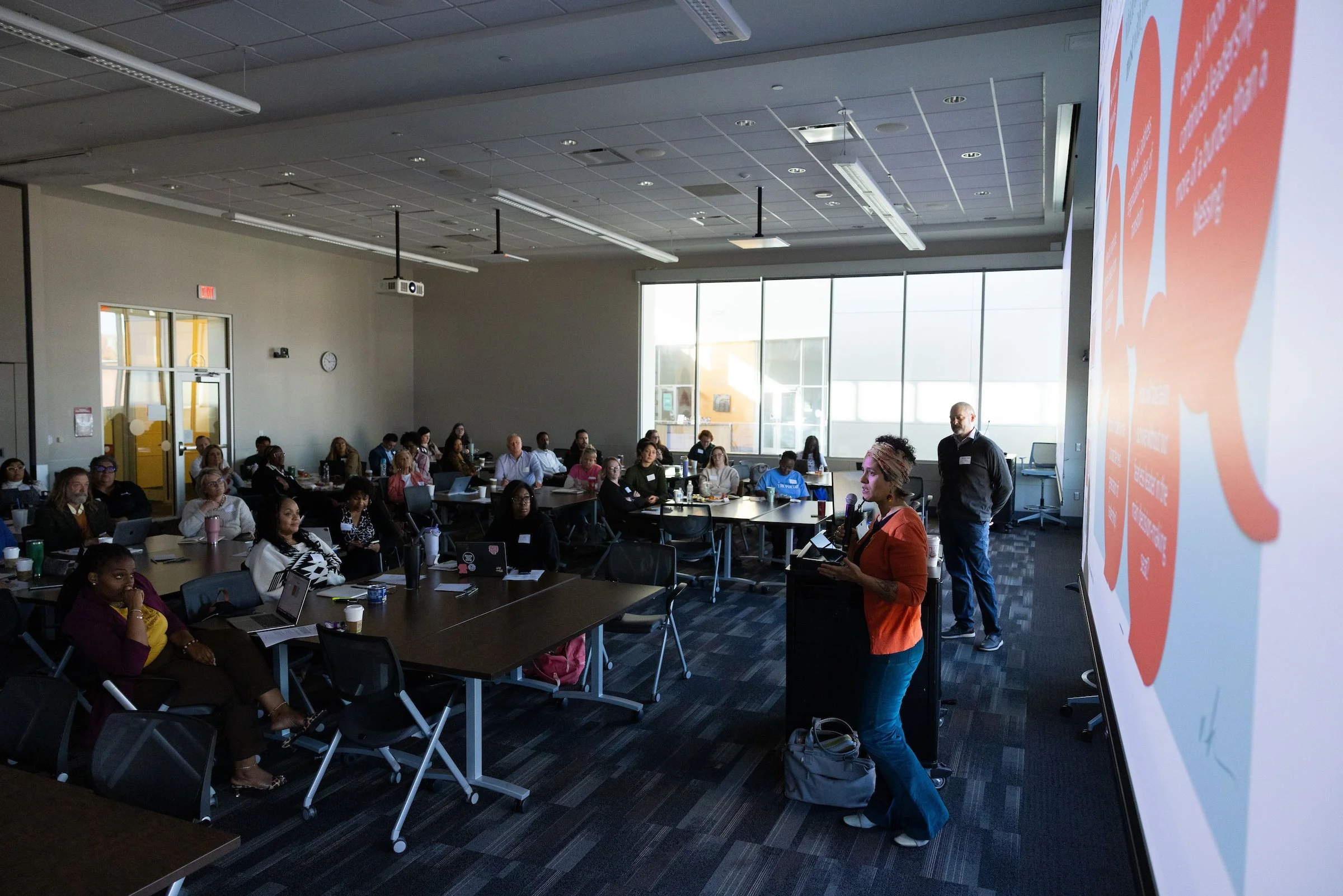
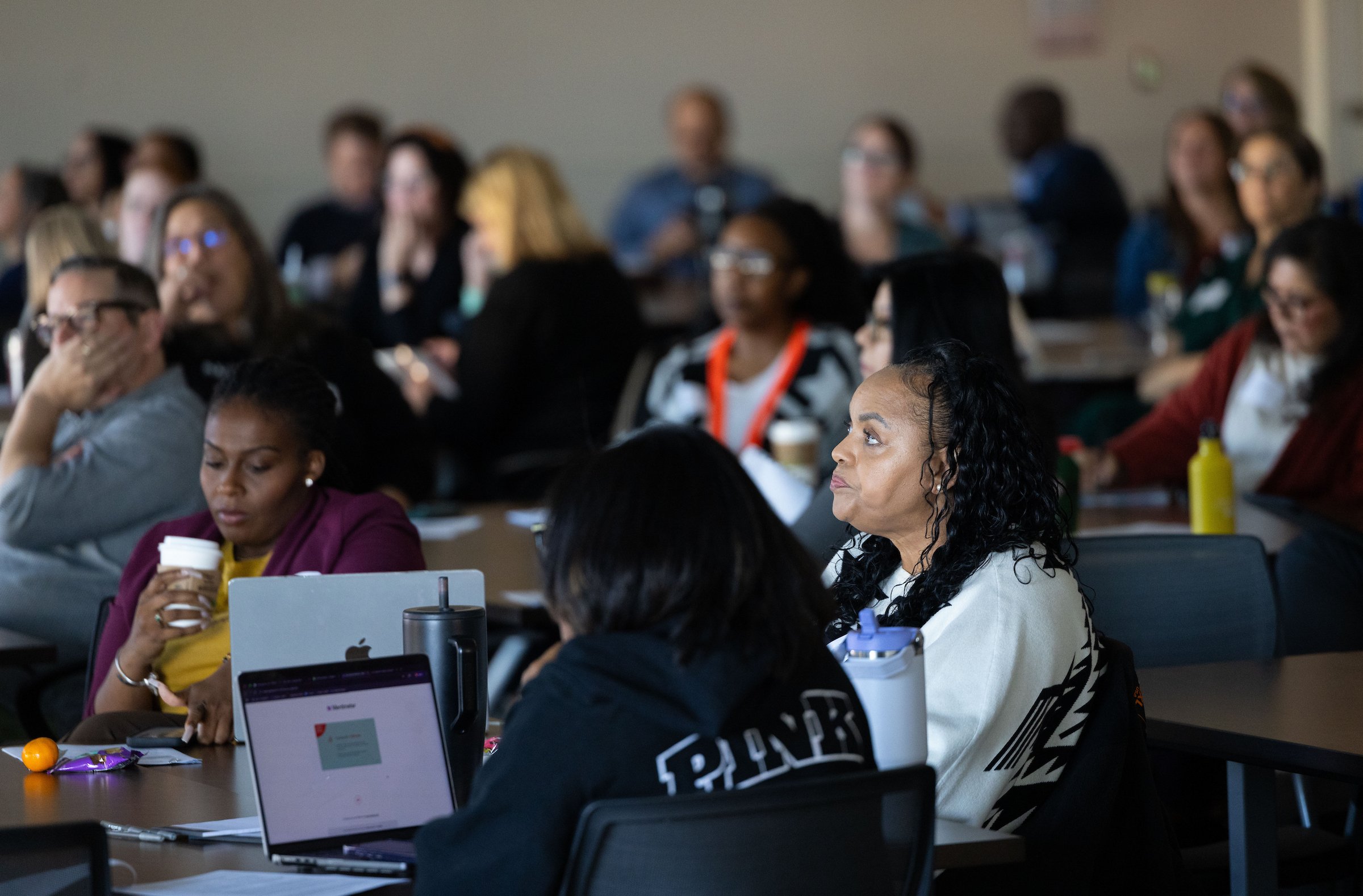
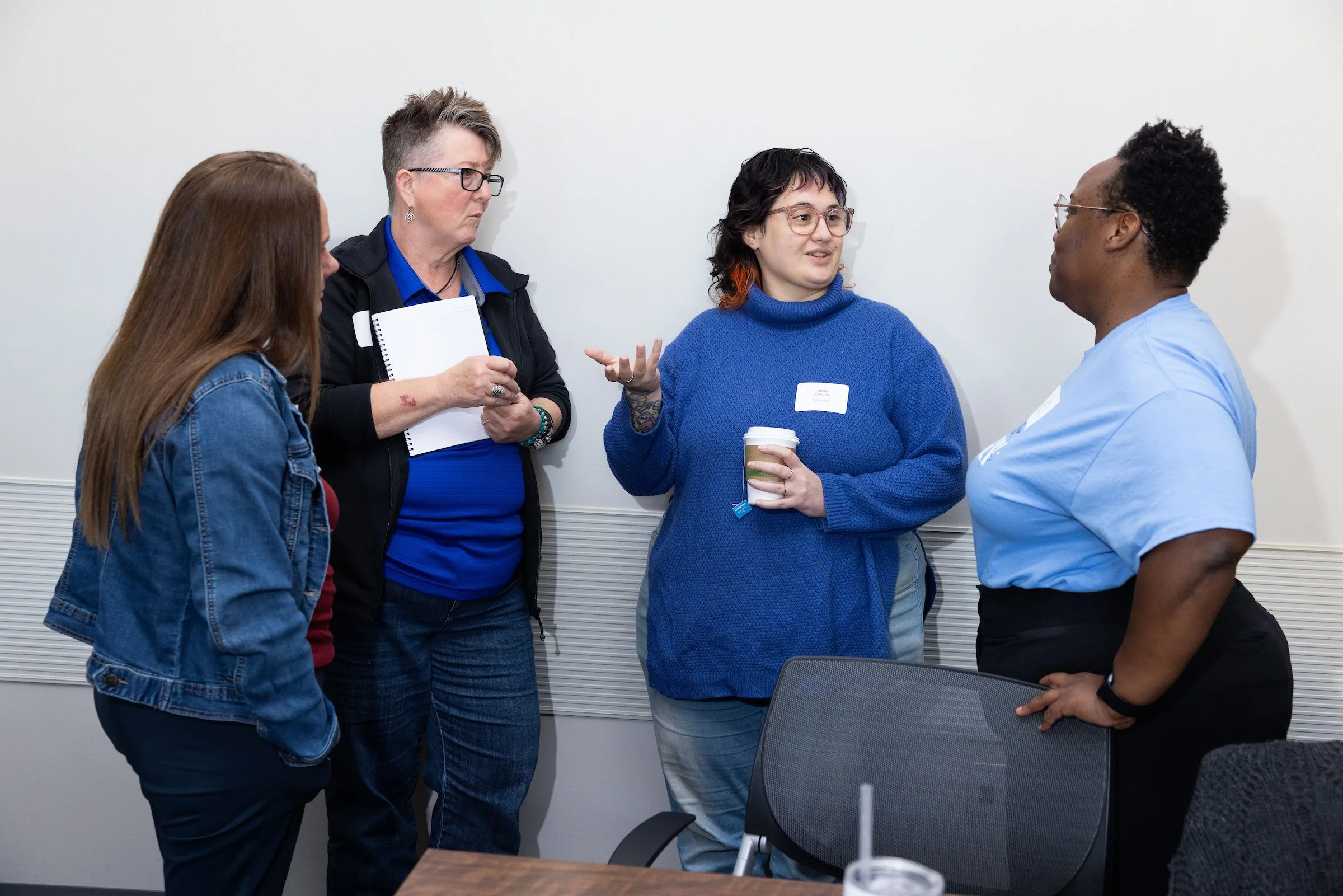
Following an intensive foundation-building workshop, your grantees meet monthly for 90-minute virtual sessions in a dedicated online community space. They bring their actual questions and challenges — not hypothetical case studies, but the real transition scenarios keeping them up at night.
The online community becomes a resource library, a problem-solving forum, an accountability structure and a place where silence and isolation disappear. Participants consistently report that peer exchange is the single most powerful element. The work stops feeling secretive or shameful — and becomes a shared practice of leadership.
Throughout the cohort, organizations receive:
Tools, templates, and frameworks that evolve with their needs
Progress tracking on resilience metrics that matter to communities, peer organizations, and funders
Peer consultation on real transition scenarios as they happen
A trusted network of leaders facing similar challenges in real-time
The Strategic Value for Your Foundation
Protect Your Investment: Leadership transitions are one of the biggest threats to program continuity. When organizations lack succession planning, the dollars you invest can lose impact to instability, staff turnover, and donor confusion.
This cohort protects the impact you intended your funding to create.
Risk Mitigation: Organizations with formal succession plans maintain stronger program continuity and experience less disruption during leadership transitions (which means less crisis intervention for you).
Partnership Intelligence: You'll see which organizations are genuinely merger-ready versus those needing different support. This is invaluable information that emerges naturally through the cohort process.
Relationship Depth: Ongoing engagement positions you as a strategic partner, not just a funder. This is the kind of trust-based relationship that makes your foundation the one grantees actually want to call when challenges arise.
Portfolio Strengthening: Peer learning spreads best practices across your entire grantee community. You're not just investing in individual organizations—you're strengthening the ecosystem.
Who Should Participate?
We keep it radically inclusive. Executive Directors, CEOs, Deputy Directors, and Directors of Operations are invited—regardless of organization size, tenure, experience level, or annual budget.
Board participation isn't required, though strategies for effective board engagement are woven into the curriculum. (full board facilitation for succession planning is available as an add-on service.)
The only true qualification is a willingness to normalize transitions as healthy organizational practice and engage authentically with peers.
This Model Is Already Working
Cricket Island Foundation developed a Leadership Transition Fund providing three-year general operating support to organizations experiencing executive transitions, combined with technical assistance grants and peer cohort participation. Twenty organizations have participated. Their explicit message: transitions are healthy organizational development, not crises to hide from funders.
Nonprofit Sustainability Initiative's Executive Transition Fund in Los Angeles County has supported 18 organizations across three cohorts with grants ranging from $75,000 to $100,000. Cohort participants consistently report that peer exchange combats isolation and normalizes the complex feelings around organizational evolution. One outgoing founder called the cohort "absolutely priceless," noting that "gone were the usual feelings of isolation and secrecy."
Ready to Lead Differently?
Currently, we are piloting this cohort concept in Nebraska (March-May 2026), and we are seeking two additional foundations to expand the model in 2026.
This work requires foundations willing to signal publicly that transitions are opportunities for strengthening, not vulnerabilities to penalize. It requires a commitment to trust-based relationships and a willingness to normalize conversations that many funders still treat as taboo.
You know your grantees best. We bring the framework, facilitation expertise, and commitment to building the kind of trust-based relationships that make this work possible.
Together, we can create the conditions where your grantees approach transitions proactively rather than reactively protecting your investments and deepening your impact in the communities you serve.
Let’s Talk About What This Could Look Like
If you’re exploring how to better support leadership transitions across your grantee portfolio, we’d love to learn more. This short form helps us understand what you’re considering so we can follow up with the most relevant next step.